


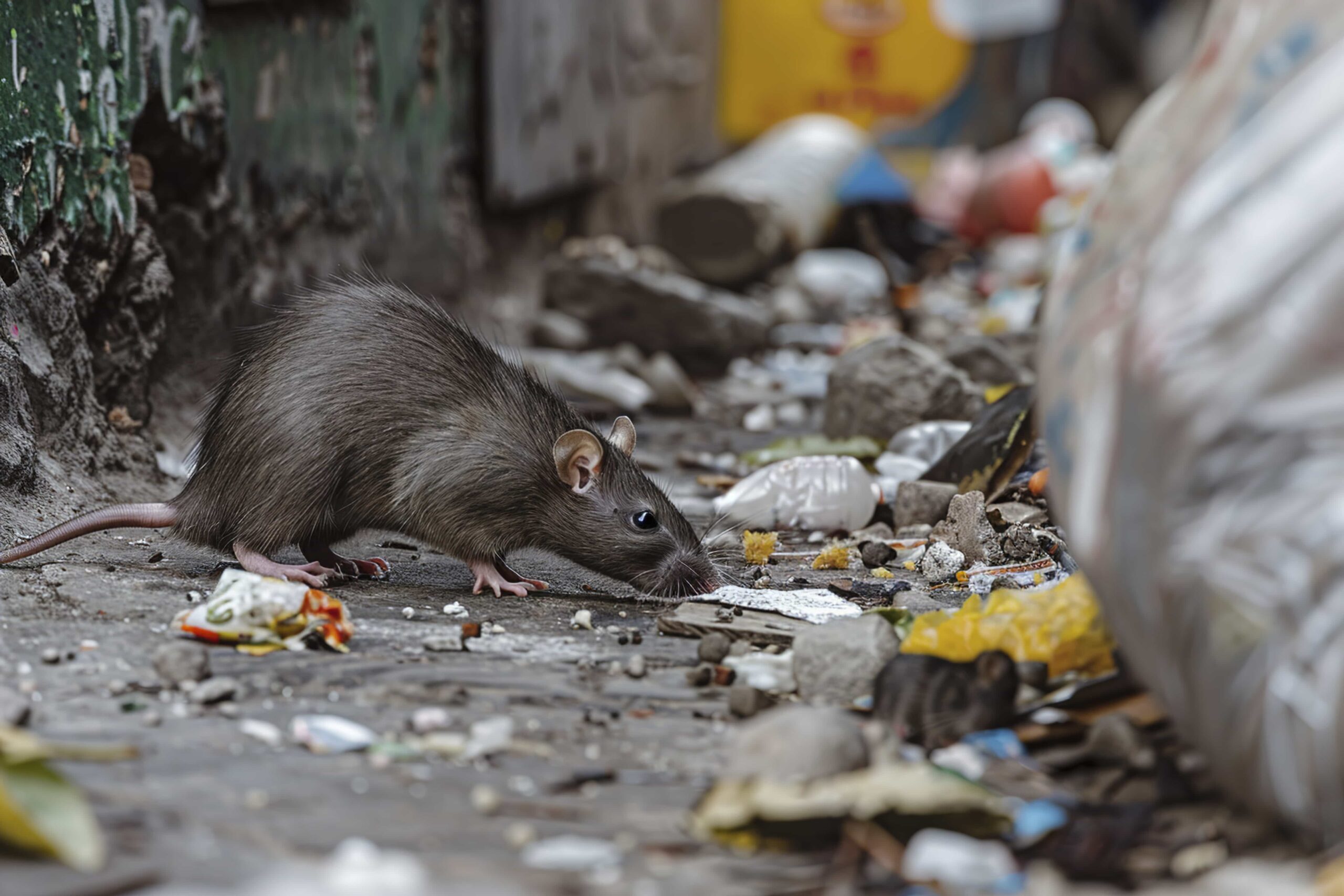
We are currently experiencing a noticeable increase in the rodent population across Cape Town. In the past, rodent activity was most commonly noticed during the winter months as rodents searched for warmer and drier spaces. Homes, roof cavities, and commercial buildings provide the ideal shelter for these animals when outdoor conditions become harsh.
Rodents do not need much space to gain access to a building. In many cases, a gap of only 12– 15 mm is enough for them to squeeze through and enter your home or workplace. Small openings around roof tiles, vents, pipes, and doors can easily become entry points.
With winter fast approaching and rainfall expected to increase in the Western Cape, large numbers of rodents often move away from their burrows and sewer systems in search of dry shelter. Unfortunately, this is often inside our homes and businesses. With the rising cost of living, it’s best not to let these unwanted “guests” stay too long.
Breeding season typically occurs during spring and early summer when temperatures increase and food sources become more abundant. These conditions create the perfect environment for rapid population growth. Rodents have a very short gestation period, which allows them to produce several litters each year. Female rodents are also capable of becoming pregnant again shortly after giving birth, which contributes to their rapid population expansion.
By late summer and autumn—the period we are currently in—the rodent population often reaches its peak. Many rodents born earlier in the year have now reached maturity and begin searching for new territories and food sources. This increased movement often leads to more sightings and activity around homes and buildings. Early signs of rodent activity include droppings along walls or inside cupboards, scratching sounds in your roof at night, gnaw marks on food packaging and wooden objects, and sometimes greasy marks along frequently travelled pathways.
Recognising these signs early can help prevent a small problem from turning into a much larger infestation.